Since the end of last year, memory prices have exploded throughout the PC ecosystem. RAM that normally became cheaper over time saw its prices skyrocket in just a few weeks. This increase quickly affected other components. People now fear a widespread price increase, especially for graphics cards. Facing market concerns and numerous rumors, Nvidia decided to speak out. The company says it will do everything possible to avoid an immediate price increase for its consumer GPUs. For now, Nvidia is absorbing the extra cost related to memory. This is a significant financial effort to maintain commercial stability despite supply chain problems.
A crisis that goes beyond simple RAM
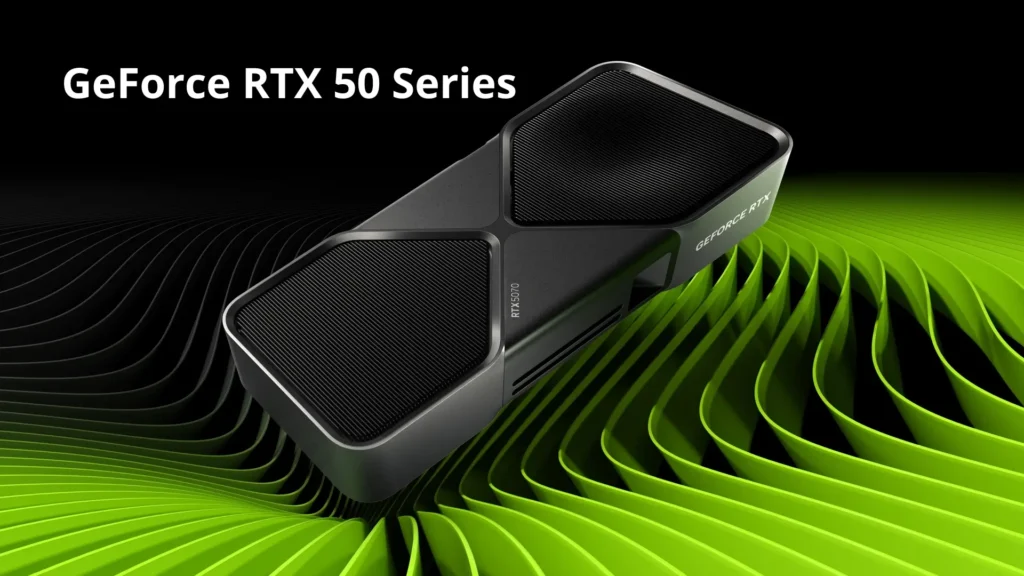
The shortage does not only affect PC memory. All DRAM and NAND technologies are impacted. This affects computer RAM and also the GDDR video memory used by graphics cards. Strong demand from data centers and artificial intelligence infrastructure consumes a growing share of global production. In this context, Nvidia confirms that GDDR6 and GDDR7 supply remains tight. However, the company works closely with its partners to secure the volumes needed for RTX 50 production. The goal is clear. Nvidia wants to maintain deliveries without immediately passing on the cost increase to the end consumer.
No short-term increase but a fragile balance
According to several industry sources, Nvidia is currently one of the few players voluntarily delaying a price increase. The company accepts reducing its margins to preserve its position in the gaming market. This strategy aims to avoid a brutal shock for buyers. These buyers already face increasingly expensive PC configurations. The company remains cautious though. It currently buys memory at high prices. This situation cannot last indefinitely. If the shortage continues, a price revision will become inevitable in the medium term.
Production shutdown rumors denied
In recent weeks, some leaks suggested that Nvidia might reduce gaming graphics card production. Some people even thought the company might completely stop this production to prioritize chips for artificial intelligence. Nvidia firmly denies these claims. RTX 50 cards remain in full production. There is no early withdrawal plan. AIB partners confirm that no model has reached its commercial end of life. The current roadmap does not change. As usual, only future SUPER models will gradually replace certain existing references. This will happen when the usual renewal cycle begins.
Demand remains strong
Despite high prices and sometimes limited availability, demand for RTX 50 remains strong. Nvidia indicates that sales remain solid. This proves that the gaming market maintains its momentum even in a more difficult economic context. For consumers, the current situation resembles a fragile balance. Prices are not increasing yet. However, cost pressure is very real. The evolution of the coming months will directly depend on the memory industry’s ability to meet global demand.
A temporary reprieve before possible adjustments
By confirming the absence of an immediate increase and production continuity, Nvidia primarily seeks to reassure a worried market. However, this stability relies on a cost absorption strategy that cannot last forever. In the short term, gamers can breathe. In the medium term, memory price evolution will decide the true face of the GPU market in 2026.