choosing the best gaming CPU is one of the most important decisions when building a PC. both AMD and Intel offer excellent options across different price ranges. this guide covers budget-friendly processors, value options, and high-end flagship models. whether you prefer team red or team blue, there are great choices available for gaming and content creation. prices and performance have been tested and compared to help you make the best choice.
best budget gaming CPUs
the budget category offers solid entry-level options that still deliver good gaming performance without breaking the bank.
AMD Ryzen 5 5600
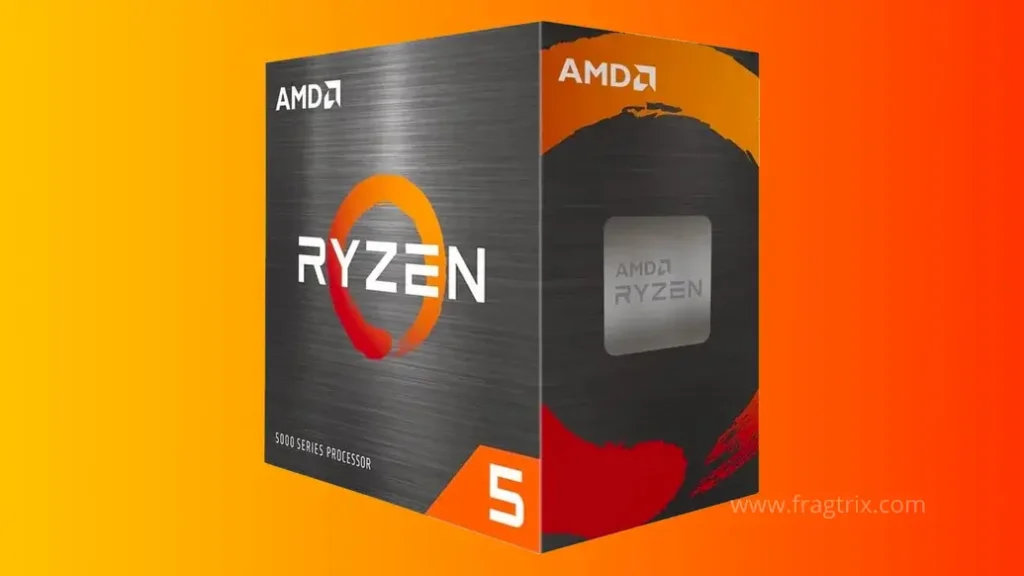
the AMD Ryzen 5 5600 is the cheapest Ryzen 5000 processor available. it offers excellent single-core performance that defined this CPU series. it’s noticeably faster in many games compared to older Ryzen designs, making it a great upgrade from older processors like the Ryzen 7 1700X, Ryzen 5 2600, or Ryzen 7 3700X. compared to the more expensive Ryzen 5 5600X, the 5600 has only a 200MHz deficit in core clocks. this tiny difference is erased by how Ryzen processors boost their performance when they hit thermal or power limits. both CPUs deliver basically identical performance, within two or three percentage points. the six-core and 12-thread design allows you to record video or run background applications while gaming. higher core counts help with demanding content creation tasks like video transcoding or 3D rendering, but for most people this design is more than sufficient. you can later upgrade to the 5700X3D or 5800X3D for better gaming performance, or try the 5900X or 5950X if content creation becomes more important.
Intel Core i3 14100F
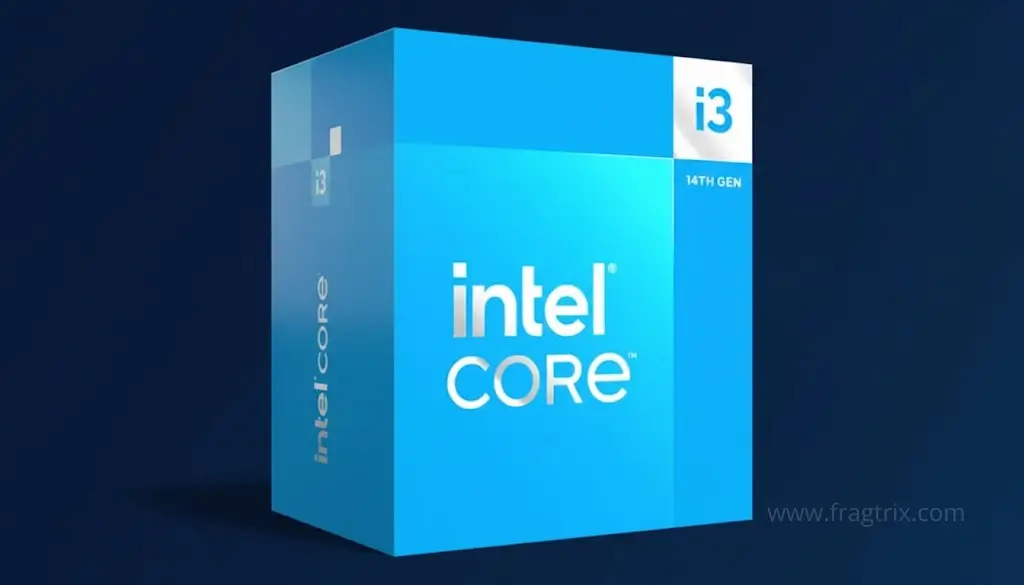
the Core i3 14100F is a surprisingly fast entry-level processor. it gives full access to modern components like PCIe 5.0 SSDs and DDR5 RAM while costing less than any other option on this list. its quad-core design outperforms older mid-range processors like the Core i5 11600K and the Ryzen 5 3600. this performance comes from the big boost to single-core performance that Intel achieved with their LGA1700 designs. the straightforward four-core eight-thread design avoids the P-core and E-core architecture of higher-tier Intel processors. this ensures consistent performance across games and operating systems. the 14100F gives you solid performance for gaming right away while leaving room for meaningful upgrades later. both cheap DDR4 motherboards and future-looking DDR5 boards accept up to the 14900K for a massive CPU power upgrade. note that the similar 14100 is the same processor but with integrated graphics. normally this model costs more, but it’s worth checking if it’s cheaper or the same price in your region.
best value gaming CPUs
the value category offers the best balance between price and performance for most gamers.
AMD Ryzen 5 7500X3D
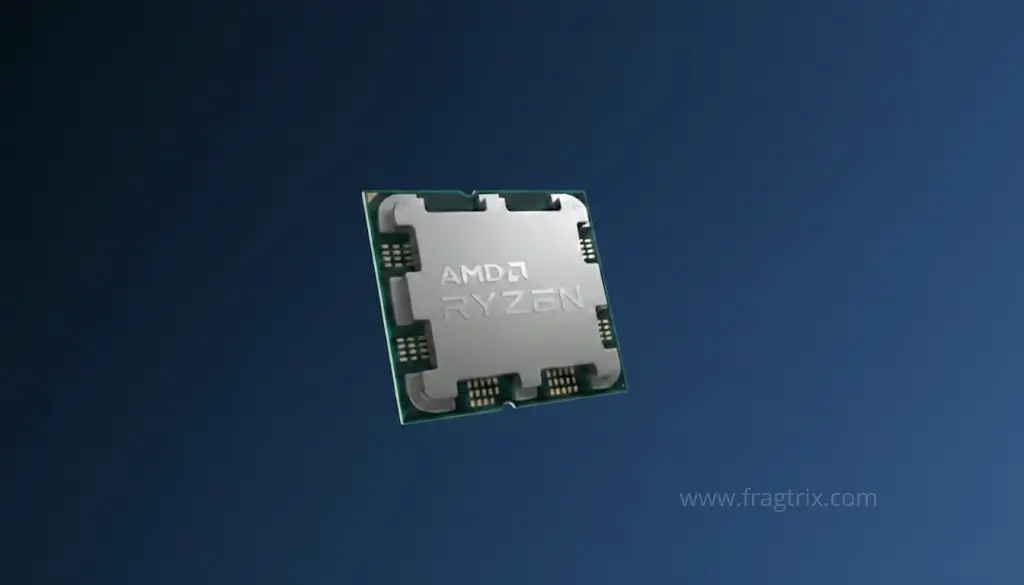
the AMD Ryzen 5 7500X3D and 7600X3D are new cheaper X3D processors, first released in 2025. like the 7800X3D, they work on AMD’s latest generation AM5 motherboards and require DDR5 RAM. however, they have fewer cores and threads because they’re based on the entry-level Ryzen 5 model. performance expectations are a bit lower than the flagship X3D chips, but the addition of 3D V-Cache still produces results that outpace CPUs like the 7600X, 7700X, and 7900X in most gaming scenarios. the previous picks, the 5700X3D and 5800X3D, are unfortunately no longer in production. if you can find one on the used market, they’re still a great way to upgrade an existing AM4 system. another benefit of AM4 in 2026 is that it uses cheaper DDR4 RAM, which matters after recent flash memory price hikes.
Intel Core i5 14400F
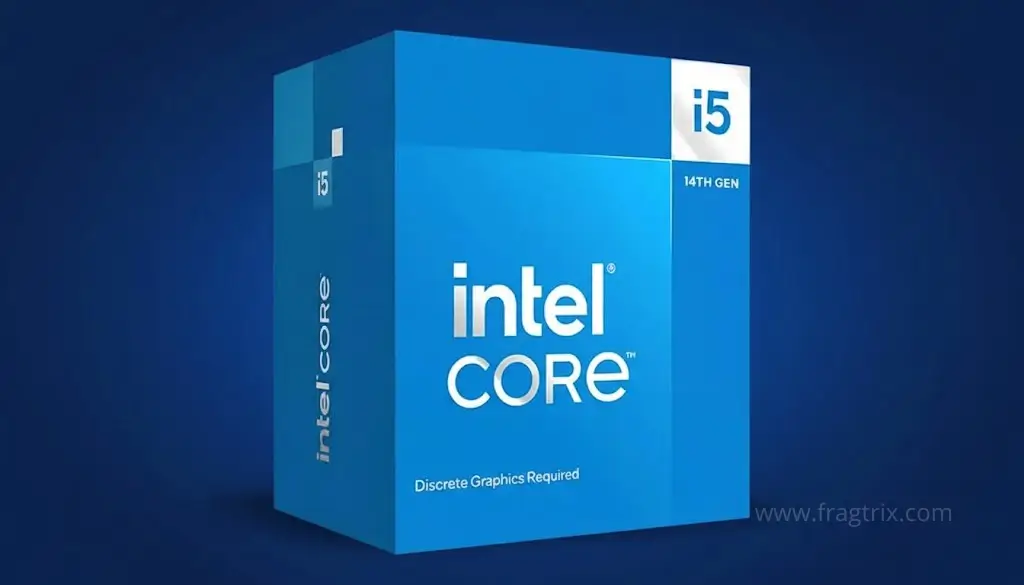
for Intel, the value sweet spot is occupied by the Core i5 14400F. while the 7500X3D represents the ultimate upgrade for AM4 systems, the 14400F is a more future-looking choice that allows great performance in the short term and plenty of upgrade potential later. it also provides compatibility with modern PCIe 5.0 SSDs. with 10 cores including six performance cores and four efficiency cores, the 14400F is a better choice than the 7500X3D for content creation. it also performs admirably in gaming scenarios. frame-rates in CPU-limited games at 1080p are in line with previous generation Core i7 models. at 1440p or 4K, you’d expect the GPU to be the bottleneck in most titles. like other 14th-gen Intel parts, you have a choice between a DDR4 and DDR5 motherboard. DDR4 RAM offers slightly lower prices while DDR5 boasts a small speed boost and more future-proof design. with DDR5 RAM kits now relatively affordable, DDR5 is the better choice, but both are viable.
best high-end gaming CPUs
the high-end category delivers maximum gaming performance for those who want the fastest CPUs available.
AMD Ryzen 7 9800X3D
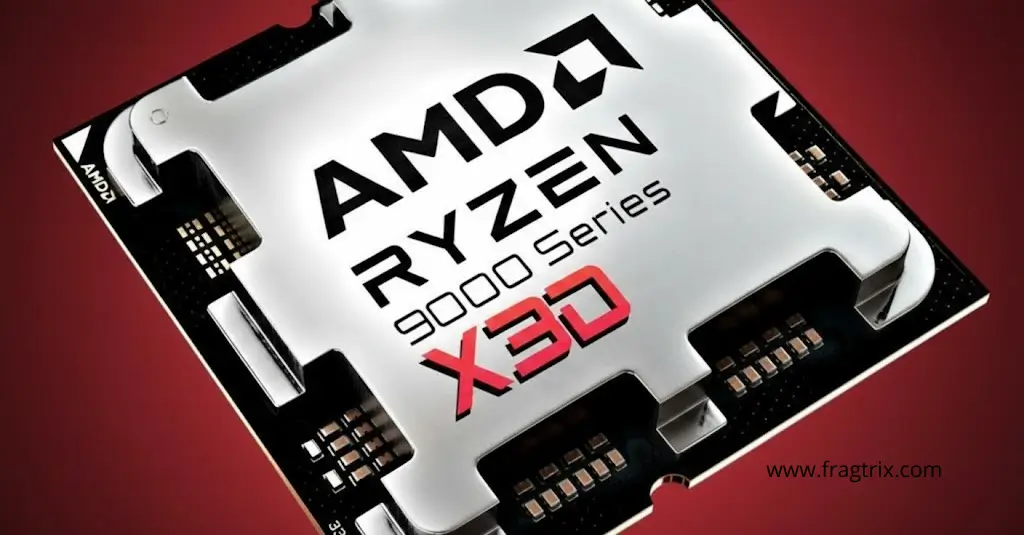
the Ryzen 7 9800X3D is the fastest CPU for gaming that has been tested. it knocks the Core i9 14900K and Core Ultra 9 285K into second place. the same was true about the 7800X3D, which remains another strong choice. the new-for-2026 9850X3D is even faster still, though testing hasn’t been completed yet. its $30 price premium is unlikely to be justified by its extra performance, which comes from a slight 400MHz bump to max boost clocks. versus the 7800X3D, the 9800X3D can be significantly faster in some games, up to 25 percent faster in the most CPU-limited scenarios. the new chip also features better all-core content creation performance and better thermals while working in exactly the same motherboards. the 9800X3D matches the 9950X3D in gaming frame-rates nearly exactly, so the 9800X3D remains the better choice unless you need extra cores for content creation workloads. the 9800X3D and 9850X3D, like other Ryzen AM5 processors, require DDR5 RAM and a 600- or 800-series motherboard. DDR5-6000 RAM and a X670E, X670, or B650E motherboard are recommended. the newer X870E models don’t offer significant improvements and cost much more. recent RAM price hikes mean you may need to opt for smaller RAM allocation or base-spec DDR5-4800 setup for now.
Intel Core i7 14700KF
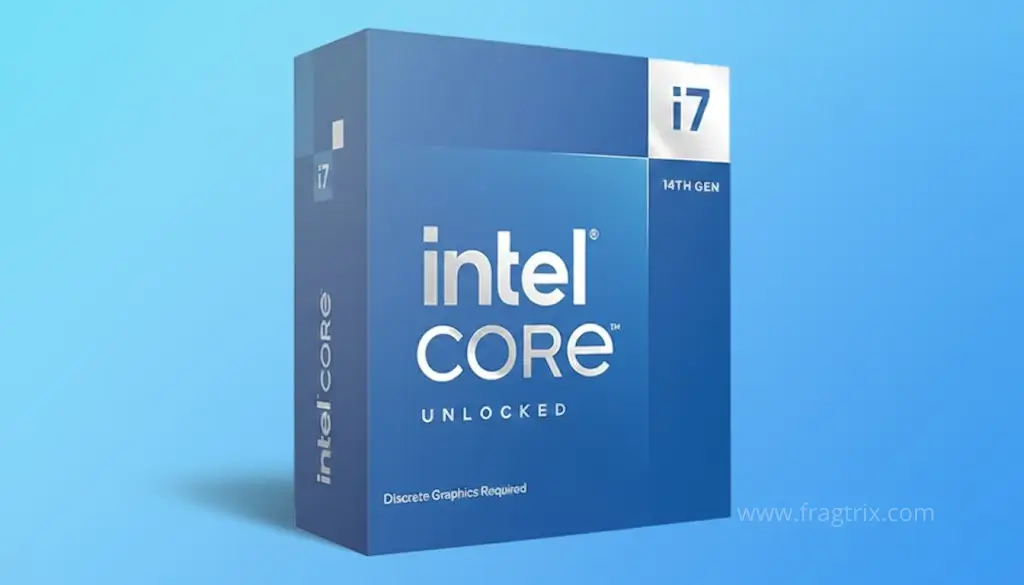
the Core i7 14700KF is the high-end pick for Intel. it delivers around 96 to 99 percent of the 14900K’s gaming performance at 75 percent of the price. that’s a winning formula that makes it hard to choose the 14900K for a gaming-focused build. the 14700KF comes with 20 cores including eight performance cores and 12 efficiency cores, making up 28 threads. it has a boost clock of up to 5.6GHz, making it a powerful choice within its price range. it’s also the first overclockable Intel chip recommended in this list, which allows you to tweak out extra performance. the chip runs slightly cooler than the 14900K but still requires a robust cooling solution, ideally a tower air cooler or 240mm+ AiO. like other 12th/13th/14th-gen Intel options, both DDR4 and DDR5 motherboards are supported. since you’re opting for a high-end option, DDR5 is the obvious choice given its measurable edge for 1080p gaming.
best CPUs for content creation
content creators need different priorities than gamers. these CPUs excel at rendering, video transcoding, and parallel workloads.
AMD Ryzen 9 9950X
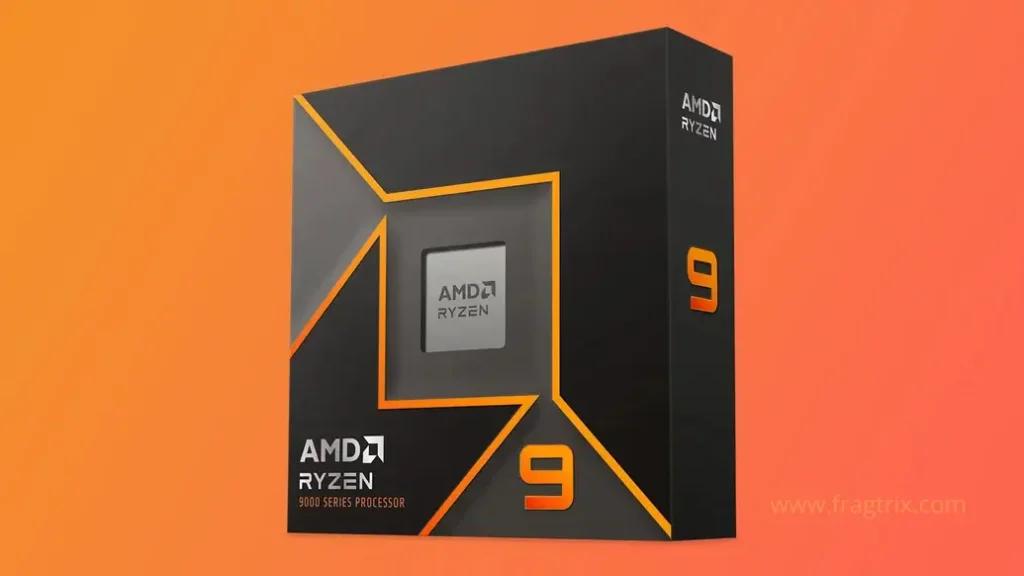
the Ryzen 9 9950X is a content creation powerhouse. it gives a Threadripper-adjacent 16 cores and 32 threads boosting up to 5.7GHz for outstanding performance in any task that can run in parallel. this includes compiling code, rendering 3D scenes, and transcoding video files. the 9950X3D is another option here, but it’s not recommended for pure content creation workloads. its extra 3D V-Cache most benefits gaming instead. it still performs well and makes sense for a gaming/content-creation hybrid build, but the extra money is better spent on more RAM or a higher-tier graphics card. the 9950X is extremely efficient compared to Intel’s 14900K and the newer Core Ultra 9 285K. it delivers around 28 percent better performance in a Handbrake H.265 transcode test than the 14900K while drawing significantly less power. the gen-on-gen performance uplift here is more slight, just eight percent over the 7950X, so both can be good options depending on pricing. being the top-of-the-line chip in AMD’s range, the 9950X also performs excellently in gaming, if not quite up to the same level as the 7800X3D and 9800X3D. it was 13 percent faster in Baldur’s Gate 3 than the Core Ultra 9 285K and a few percentage points faster than the 14900K in F1 24.
Intel Core Ultra 9 285K
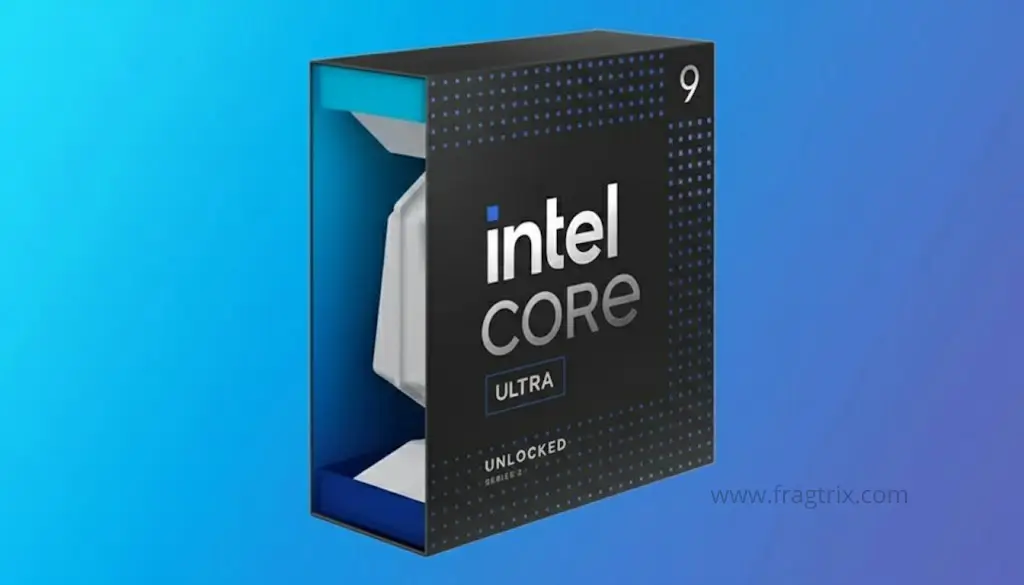
the Core Ultra 9 285K is the obvious pick for content creation on the Intel side. it offers better performance than the 14900K while drawing less power and operating significantly cooler. the 285K and its Arrow Lake brothers operate on an entirely tile-based architecture, similar to the chiplet designs used for AMD Ryzen processors. the main computing die is based on an advanced 3nm process. this allows for excellent power and thermal efficiency despite a significantly lower thread count than prior generations. the flagship 285K is a 24-core design that includes eight performance cores and 16 efficiency cores. it boosts up to 5.7GHz and 4.6GHz respectively. the efficiency cores are much higher clocked than in the 14900K, and this makes the difference when it comes to all-core workloads like 3D modelling or video transcoding. in Handbrake video tests, it was 14 percent faster than the 14900K while drawing more than 100W less power. it may not be as impressive for gaming as AMD’s more specialised X3D processors, but the Core Ultra 9 is still a powerful performer in some games like Starfield, Dragon’s Dogma 2, and Forza Horizon 5. more performance in other titles may be unlocked by a BIOS update, chipset revision, or Windows improvements.
CPU comparison table
| category | AMD option | intel option | key difference |
|---|---|---|---|
| budget | ryzen 5 5600 | core i3 14100F | 5600 better for gaming, 14100F more upgrade room |
| value | ryzen 5 7500X3D | core i5 14400F | 7500X3D better for gaming, 14400F better for content creation |
| high-end | ryzen 7 9800X3D | core i7 14700KF | 9800X3D is fastest gaming CPU, 14700KF is overclockable |
| content creation | ryzen 9 9950X | core ultra 9 285K | 9950X more efficient, 285K cooler operation |
key specifications by category
budget processors
| processor | cores/threads | boost clock | best for |
|---|---|---|---|
| ryzen 5 5600 | 6/12 | standard boost | affordable gaming upgrade |
| core i3 14100F | 4/8 | up to 5.5GHz | entry-level modern gaming |
value processors
| processor | cores/threads | boost clock | best for |
|---|---|---|---|
| ryzen 5 7500X3D | 6/12 | up to 5.0GHz | gaming with 3D V-Cache |
| core i5 14400F | 10 (6P+4E) | up to 5.5GHz | balanced gaming and creation |
high-end processors
| processor | cores/threads | boost clock | best for |
|---|---|---|---|
| ryzen 7 9800X3D | 8/16 | up to 5.6GHz | ultimate gaming performance |
| core i7 14700KF | 20 (8P+12E) | up to 5.6GHz | high-end gaming with overclocking |
content creation processors
| processor | cores/threads | boost clock | best for |
|---|---|---|---|
| ryzen 9 9950X | 16/32 | up to 5.7GHz | rendering and video transcoding |
| core ultra 9 285K | 24 (8P+16E) | up to 5.7GHz | power-efficient content creation |
important considerations for your purchase
when choosing a CPU, consider your motherboard compatibility. AMD Ryzen 5000 series uses the older AM4 socket, while Ryzen 7000 and 9000 series use AM5. Intel’s 14th-gen uses LGA1700 socket. make sure your motherboard supports your chosen CPU. RAM type matters too. older AM4 systems use DDR4, which is cheaper. newer AM5 and Intel LGA1700 systems support DDR5, which offers better performance but costs more. recent price hikes mean you might need to budget carefully for RAM. cooling solutions are important for high-end CPUs. the 14700KF and high-end Ryzen chips benefit from tower air coolers or 240mm+ AiO solutions to maintain optimal performance and temperatures. for gaming at 1440p or 4K, your GPU will likely be the bottleneck rather than the CPU. this means mid-range CPUs like the 14400F or 7500X3D can deliver excellent gaming experiences even at high resolutions.
choosing the right gaming CPU depends on your budget, use case, and upgrade path. budget builders should consider the Ryzen 5 5600 or Core i3 14100F for solid performance at low prices. those seeking the best value should look at the Ryzen 5 7500X3D or Core i5 14400F for excellent gaming performance with room to upgrade. high-end gamers will find the Ryzen 7 9800X3D is the fastest gaming CPU available. content creators benefit most from the Ryzen 9 9950X for rendering and transcoding, or the Core Ultra 9 285K for power-efficient performance. all recommendations in this guide are based on testing, current prices, and performance comparisons. treat these options as a starting point and consider your specific needs, budget, and system requirements before making a final decision.