Building rgb on a budget in 2026: yeah, it’s complicated
okay, so building an rgb gaming pc right now is… interesting. ram prices basically tripled overnight, gpus are still playing hard to get with pricing, but weirdly enough? rgb fans and cases actually got more affordable. the market’s doing the strangest things.
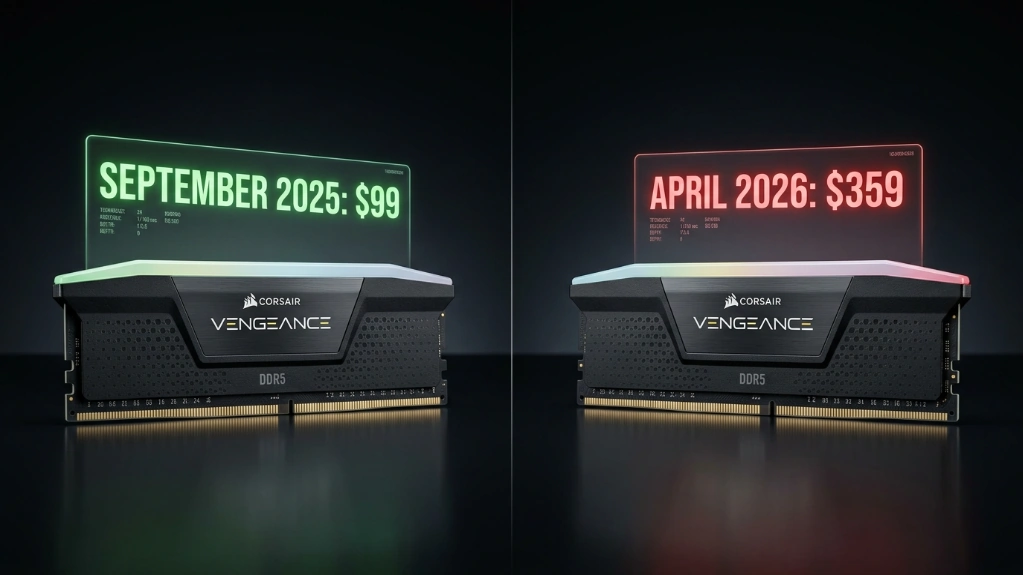
here’s where we’re at. remember when you could grab a solid 32gb ddr5 kit for a hundred bucks back in september? well, that same kit now costs anywhere from 250 to 370 dollars. wild, right? blame the ai boom datacenters are basically hoarding memory chips like they’re going out of style, and we’re stuck with whatever’s left over.
| period | ddr5 32gb 6000mhz | ddr4 32gb 3200mhz | what happened |
|---|---|---|---|
| sept 2025 | ~$100 | $60-90 | normal times |
| jan 2026 | $150-180 | $150-180 | ai crisis hits |
| april 2026 | $250-370 | $150-270 | full crisis mode |
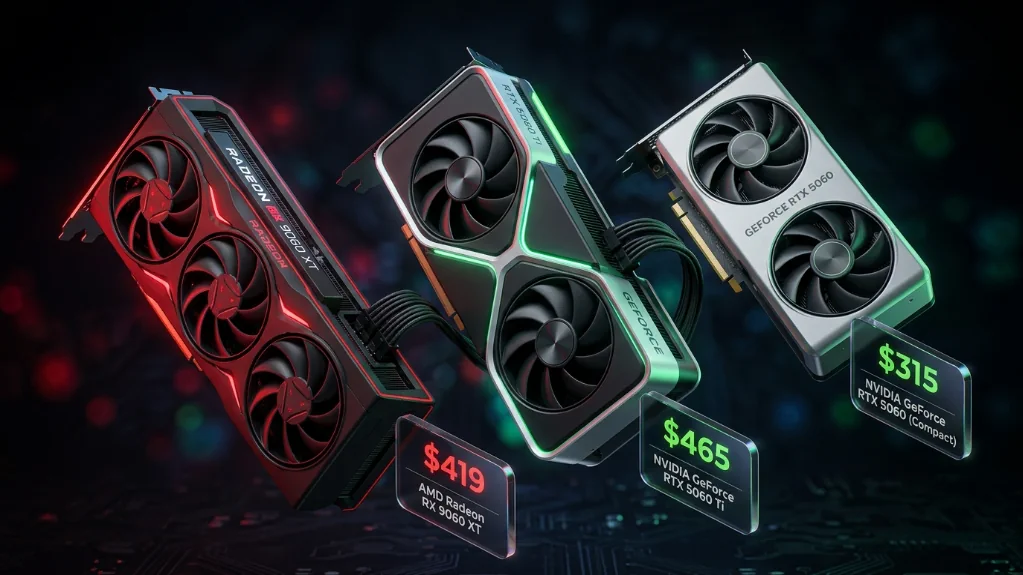
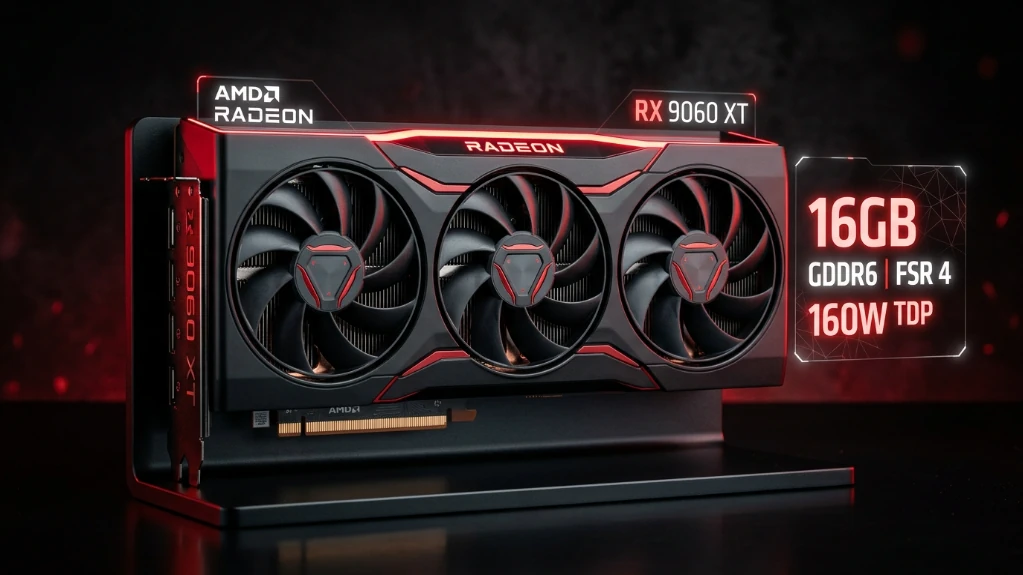
and don’t even get me started on gpus, amd launched the rx 9060 xt at a reasonable 349 bucks seemed fair at the time, now? you’re looking at 419 minimum, nvidia’s pulling the same move with the rtx 5060 ti. sticker says 429, your wallet says 480. it is what it is, and you just learn to work around it.
Phanteks xt pro ultra: honestly the best starting point
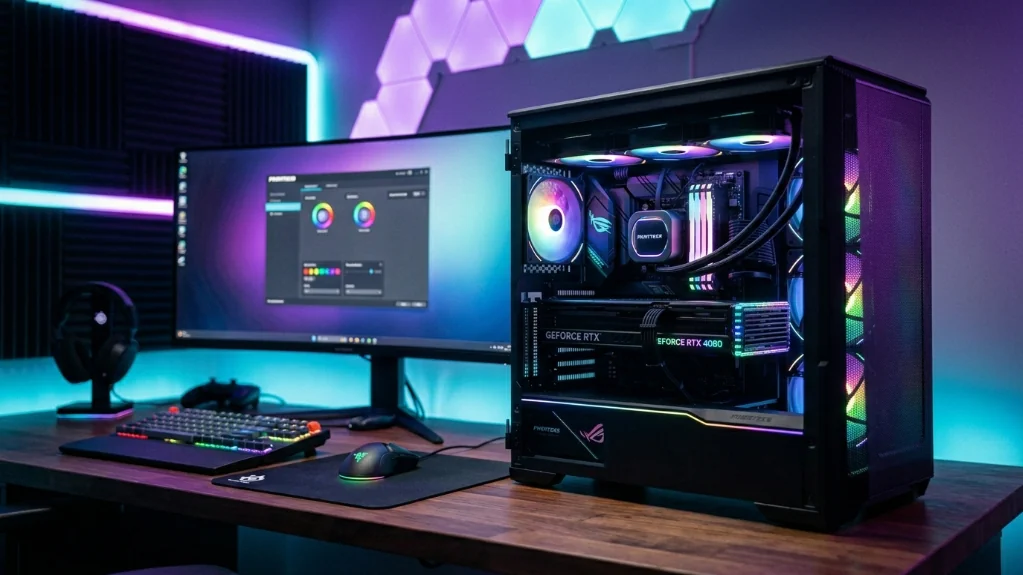
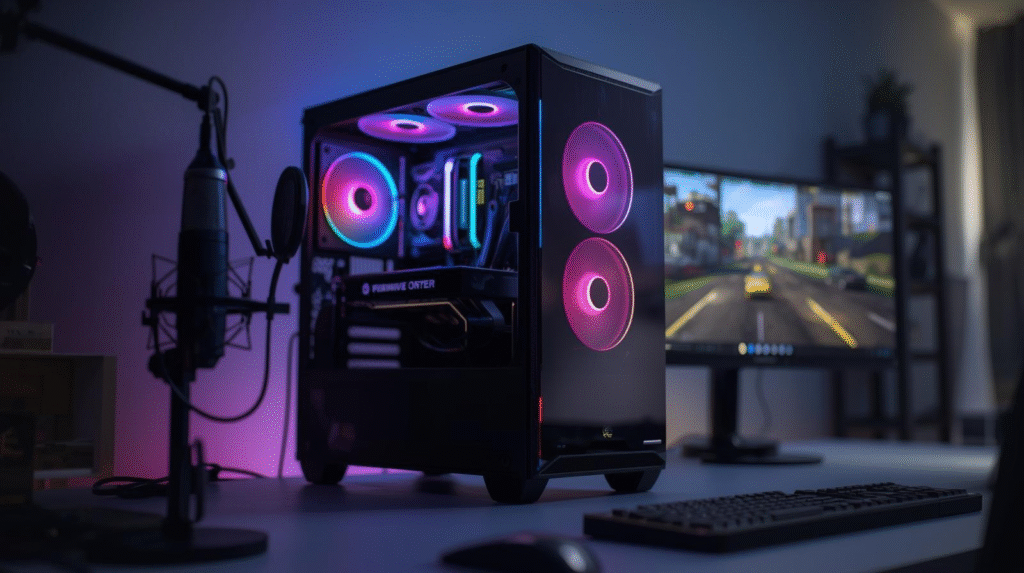
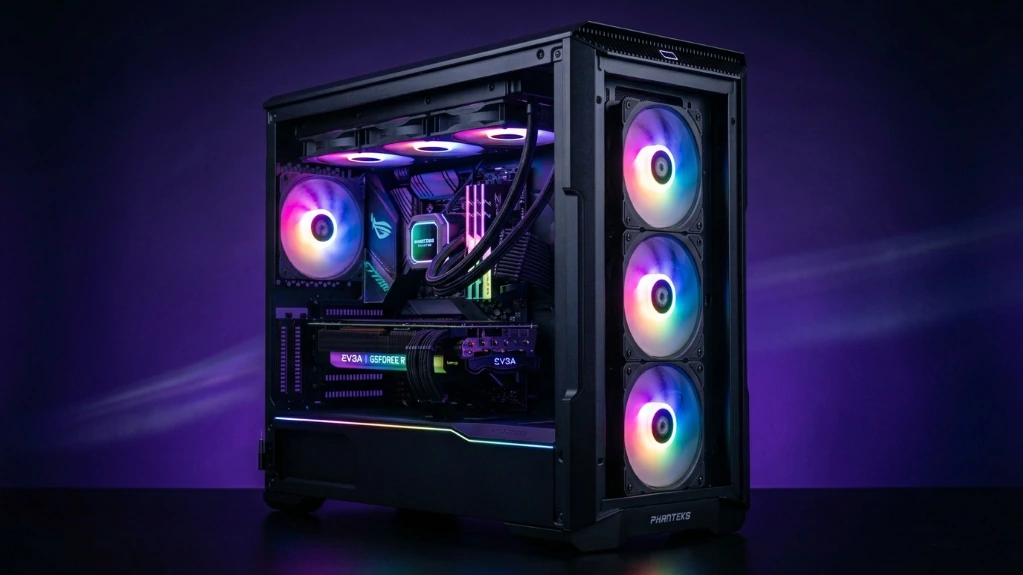
look, phanteks absolutely crushed it with this one. eighty bucks for the black model, ninety if you want white, and you’re getting four pre-installed 140mm rgb fans right out of the box. here’s the kicker if you bought those fans separately, you’d be dropping forty to sixty dollars easy, so basically, you’re getting a free case with your fan purchase, yeah, the math’s backwards, but I’m not complaining.
tom’s hardware called it the best budget case under a hundred bucks this year, and honestly, I can’t argue with them. this thing swallows graphics cards up to 415mm long that’s basically everything except those absurdly oversized triple fan monsters. e-atx motherboards? no problem, planning to add a 360mm radiator later? top mount’s got you covered, and yeah, it’s got usb-c on the front panel because come on, it’s 2026.
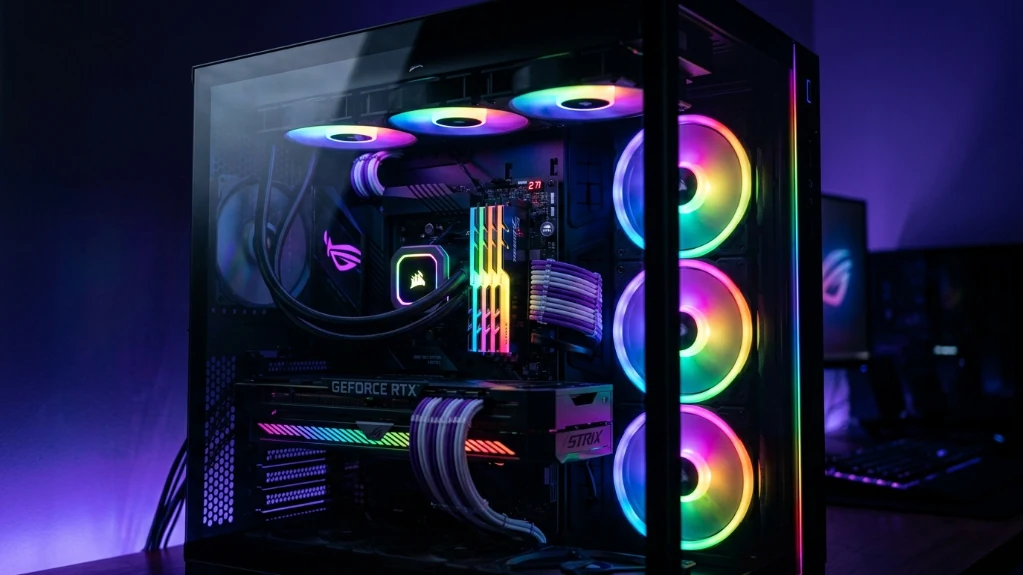
the rgb fans hook straight into your motherboard’s standard argb headers, works perfectly with asus aura sync, msi mystic light, or whatever ecosystem you’re running. no weird proprietary adapters, no compatibility headaches just plug and go
one small trade-off worth mentioning: there’s no removable dust filter up front, the mesh does filter on its own, but if you’re the type who likes pulling out that filter every week for cleaning, you might miss it. hasn’t been a dealbreaker for most people though.
Ryzen 7 9800x3d: yeah, this is the one
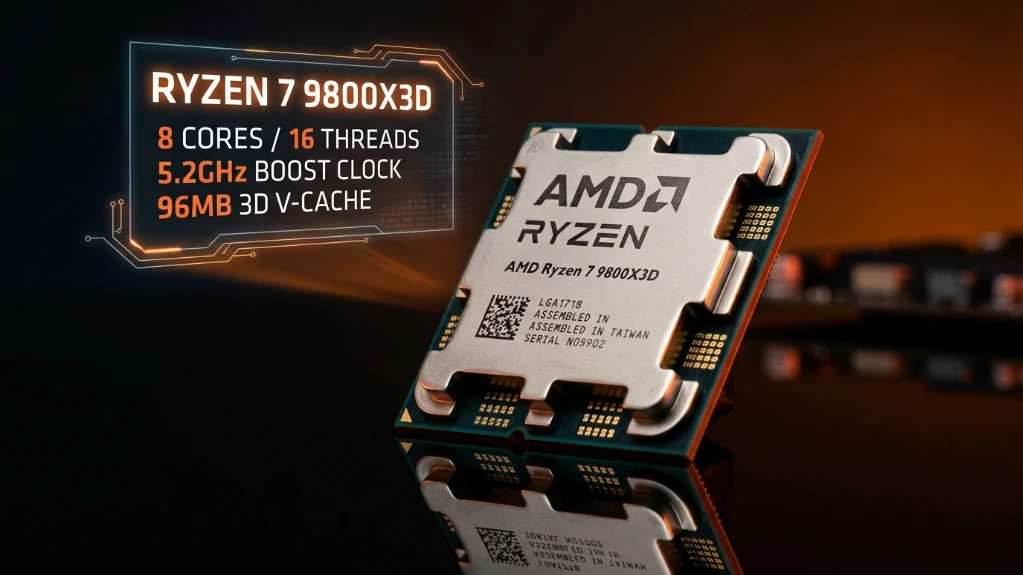
at 479 dollars, the ryzen 7 9800x3d is sitting right at msrp, and you can actually find it in stock right now, that alone feels like a small miracle given how the rest of the market’s behaving. eight cores, sixteen threads, boosts all the way up to 5.2ghz, and packs 96mb of that sweet 3d v-cache tech that just makes games fly.
here’s what makes this generation different it’s the first x3d chip that’s actually unlocked for overclocking, precision boost overdrive works now, so you can squeeze out extra performance when you need it, power draw stays reasonable at 120w too, nothing crazy.
socket am5 gives you real upgrade options down the line, amd’s committed to supporting it through 2027 at minimum, probably longer, tom’s hardware benched it at 8% faster than the 7800x3d in gaming workloads, and right now, it’s literally the fastest gaming cpu you can buy period.
Gpu shopping in 2026: picking your battles
alright, let’s talk gpus. shopping for graphics cards right now is… not fun. but you’ve got three solid options that won’t completely wreck your budget while still delivering the performance you need for rgb builds.
| gpu | msrp | real price april 2026 | vram | tdp | strengths | weaknesses |
|---|---|---|---|---|---|---|
| rx 9060 xt 16gb | $349 | $419 | 16gb gddr6 | 160w | 16gb vram, fsr 4, value | no dlss, above msrp |
| rtx 5060 ti 16gb | $429 | $450-480 | 16gb gddr7 | varies | dlss 4 + mfg, fast gddr7 | pricing premium |
| rtx 5060 | $299 | $299-330 | 8gb gddr7 | 145w | close to msrp | 8gb limits 1440p |
RX 9060 XT 16gb: the value pick that makes sense
amd dropped this at 349 bucks initially. now it’s selling around 419, annoying? yeah, but here’s the thing you’re getting 16gb of vram, and that matters way more than most people realize. those 8gb cards start choking hard at 1440p in modern titles.
performance-wise, amd’s claiming 35% faster than the previous-gen rx 7600 xt, and tom’s hardware actually gave this their editor’s choice award, that 16gb framebuffer handles everything you throw at it without stuttering or texture streaming issues, fsr 4 with the new machine learning upscaling helps when you need that extra performance boost
yeah, you’re paying seventy over launch msrp, but you’re getting double the vram compared to those 8gb options, trust me, that’s gonna matter way more six months from now. power draw’s reasonable too 160w on a single 8 pin connector.
RTX 5060 TI 16gb: if nvidia’s your thing
nvidia’s official pricing says 429, real-world pricing says 450-480. frustrating, but dlss 4 with multi-frame generation is legitimately impressive when games actually support it, and that’s basically nvidia’s whole value proposition right there.
the 16gb model is the only version worth considering, that 8gb variant hits memory walls way too quickly, and honestly, spending the extra fifty to eighty bucks for double the vram pays off hard, if your game library leans heavy into titles with solid dlss support, this premium might actually be worth it, if not? you’re paying extra for features you won’t use much.
RTX 5060: the 1080p entry point
299 dollars msrp, and it’s actually selling pretty close to that at 299-330, if you’re locked into a tight budget and only gaming at 1080p, this gets the job done, 8gb handles 1080p alright for now.
but let’s be real that 8gb becomes a problem fast if you try pushing 1440p or playing any vram-heavy titles, it’s an entry point, not a long-term solution, if you can scrape together the extra cash for a 16gb card, you really should.
B650 motherboards: solid foundation without the premium tax
b650 boards deliver everything you actually need for a budget rgb build without forcing you to pay for x670 features you probably won’t use, here are the two that consistently offer the best value.
| motherboard | price april 2026 | wifi | ethernet | argb | notes |
|---|---|---|---|---|---|
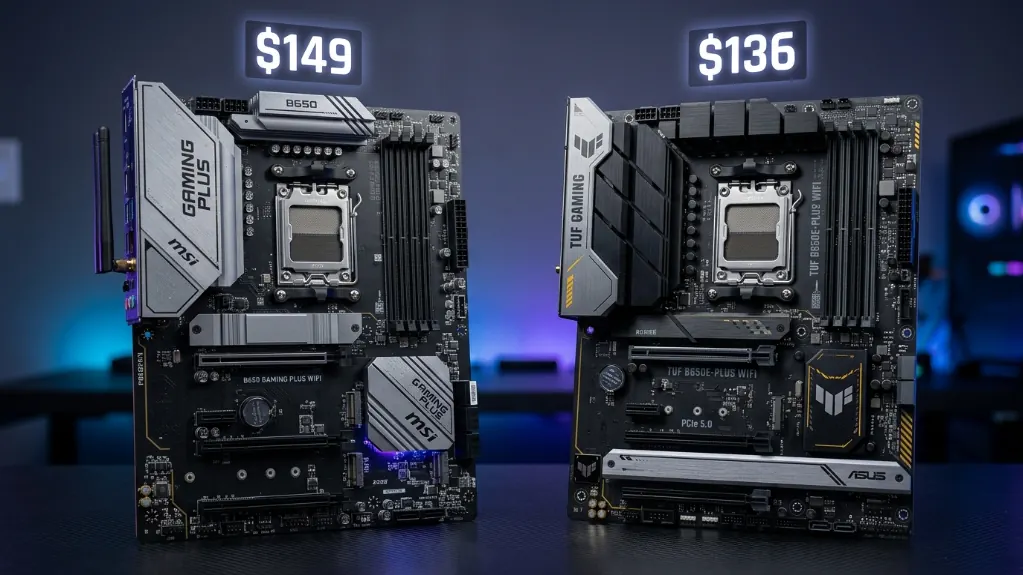
| msi b650 gaming plus wifi | $139-159 | wifi 6e | 2.5gb | yes | ram bundles frequent |
| asus tuf b650-plus wifi | $134-138 | wifi 6 | 2.5gb | yes | best value |
| asus tuf b650e-plus wifi | $136 | wifi 6e | 2.5gb | yes | pcie 5.0 m.2 |
MSI b650 gaming plus wifi: the bundle hunter’s dream
this one’s running 139-159 bucks depending on where you catch it, supports the full range of ryzen 7000 and 9000 series chips, handles ddr5 up to 6000mhz, comes with wifi 6e and 2.5gb ethernet built in, power delivery’s solid enough to handle even the 9800x3d without issues.
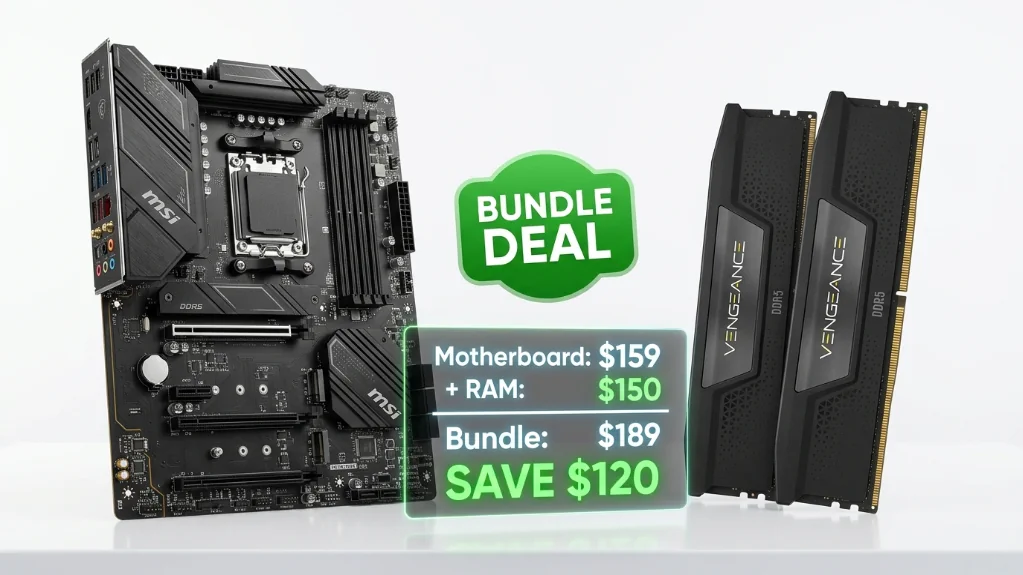
but here’s where it gets interesting newegg bundles this board with ram constantly, and the pricing makes zero sense compared to buying separately, I’ve seen bundles at 179-189 for 16gb ddr5-6000 plus the motherboard, when that same ram would cost you 150 minimum on its own, you’re basically getting a motherboard for pocket change, keep an eye out for those deals.
Asus tuf b650-plus wifi / b650e-plus wifi: insane value
the standard b650-plus wifi goes for 134-138 dollars, the b650e-plus wifi with enhanced features? 136 dollars, yeah, two dollar difference for pcie 5.0 m.2 support, that’s basically free future proofing.
both versions work with all am5 ryzen chips, handle ddr5 memory, wifi 6 on the standard and wifi 6e on the e model, asus aura sync handles all your rgb coordination. and honestly, the build quality on these tuf boards punches way above their price point they put them through military-grade component testing and load them up with heatsinks everywhere.
Ram pricing in 2026: prepare to wince
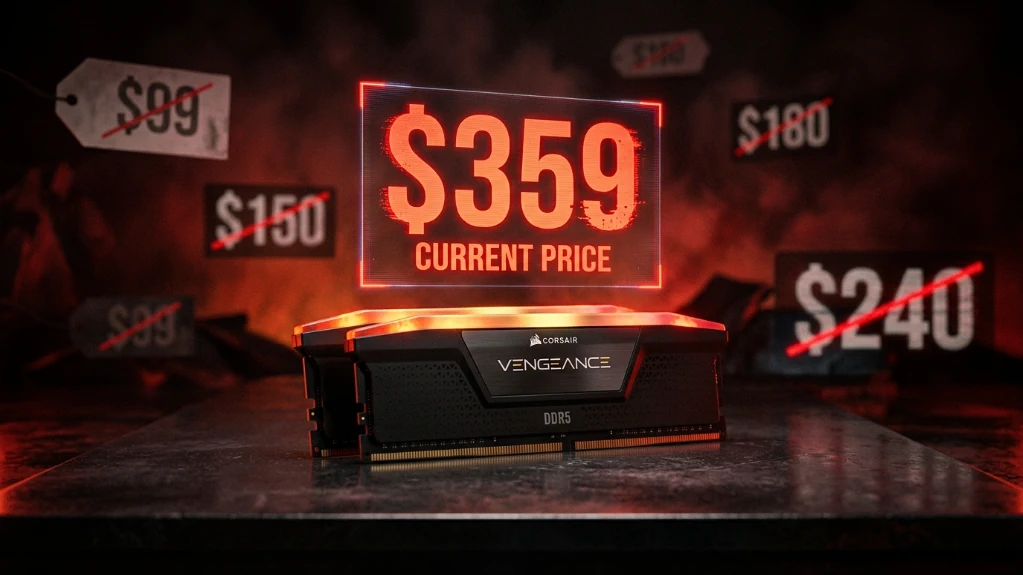
okay, deep breath. ddr5 pricing right now is genuinely painful to look at, that corsair vengeance ddr5-6000 32gb kit that cost 93-99 dollars back in january 2025? same exact kit today runs you 329-370 dollars, yeah, analysts are saying maybe late 2026 or early 2027 before we see normalization, and I’m not holding my breath.
you still want 32gb for modern gaming that part hasn’t changed, getting there means making some choices, you can bite the bullet and pay 250-370 for ddr5-6000 32gb kits. you can hunt for those motherboard bundles that’ll save you 50-150 bucks versus buying everything separately, or you can look at ddr4 platforms knowing full well you’re limiting your upgrade path down the road.
ddr4 32gb kits are running 150-270 right now, roughly half what ddr5 costs. performance difference in gaming? about 5-7% on average, and here’s the thing the 9800x3d’s massive cache actually masks a ton of that memory latency, so the jump to ddr5 matters less than it would on regular chips.
but here’s the hard truth: ddr4 platforms are basically dead ends at this point, intel’s moved on, amd’s moved on. you save money today, you pay for it later when there’s nowhere left to upgrade.
Three realistic budget tiers
| tier | budget | cpu | gpu | mobo | ram | storage | psu |
|---|---|---|---|---|---|---|---|
| 1 | ~$1000 | r5 7600 ($150-180) | rtx 5060 8gb ($299-330) | b650 ($139-159) | 16gb ddr5 ($120-150) | 500gb nvme ($40-50) | 550w bronze ($50-70) |
| 2 | ~$1350 | r7 7700 ($230-260) | rx 9060 xt 16gb ($419) | tuf b650-plus ($134-138) | 32gb ddr5 ($250-300) | 1tb nvme ($80-100) | 650w gold ($80-100) |
| 3 | ~$1650 | r7 9800x3d ($479) | rtx 5060 ti 16gb ($450-480) | tuf b650e-plus ($136) | 32gb ddr5 cl30 ($329-370) | 2tb nvme ($150-180) | 750w gold ($110-130) |
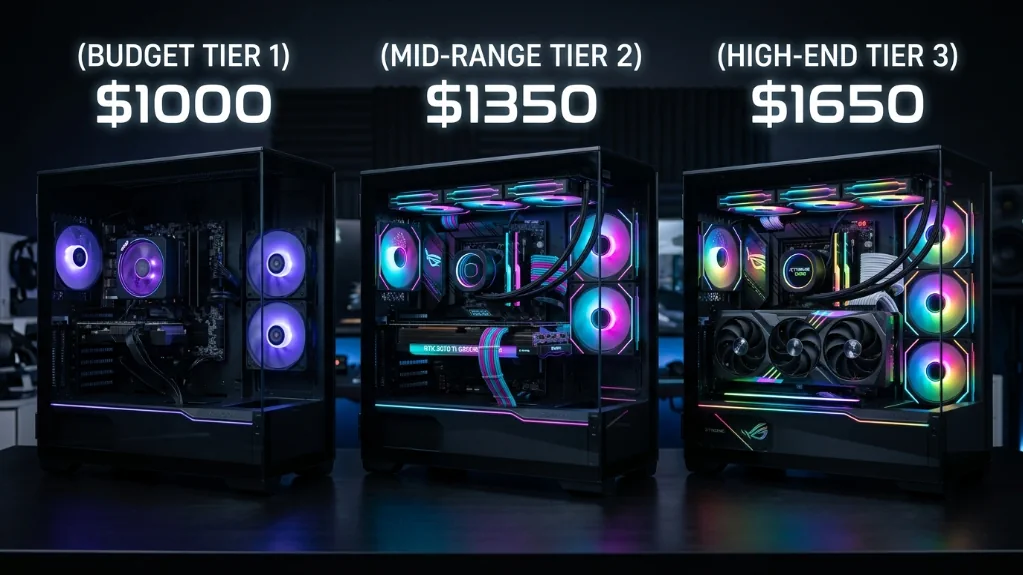
tier 1 gets you into 1080p gaming with proper rgb lighting from day one. yeah, you’re compromising with 16gb ram instead of 32gb, an entry-level cpu, and that 8gb gpu. but here’s the thing everything’s upgradeable down the line, more ram when prices drop, better gpu when your budget allows, it’s a solid starting point.
tier 2 is where things start getting really interesting, strong 1440p performance, full rgb integration, and 32gb of memory so you’re not constantly worrying about running out, the ryzen 7 7700 saves you over two hundred bucks compared to the 9800x3d while still handling modern games without choking.
tier 3 maxes out what actually makes sense for a budget build, that 9800x3d means you’re not hitting cpu bottlenecks for years, 32gb of fast memory, 16gb vram on the gpu handles everything at 1440p, enough storage that you’re not constantly deleting games to make room. this is the “build it once and forget about upgrades for a good while” tier.
Making the rgb actually work
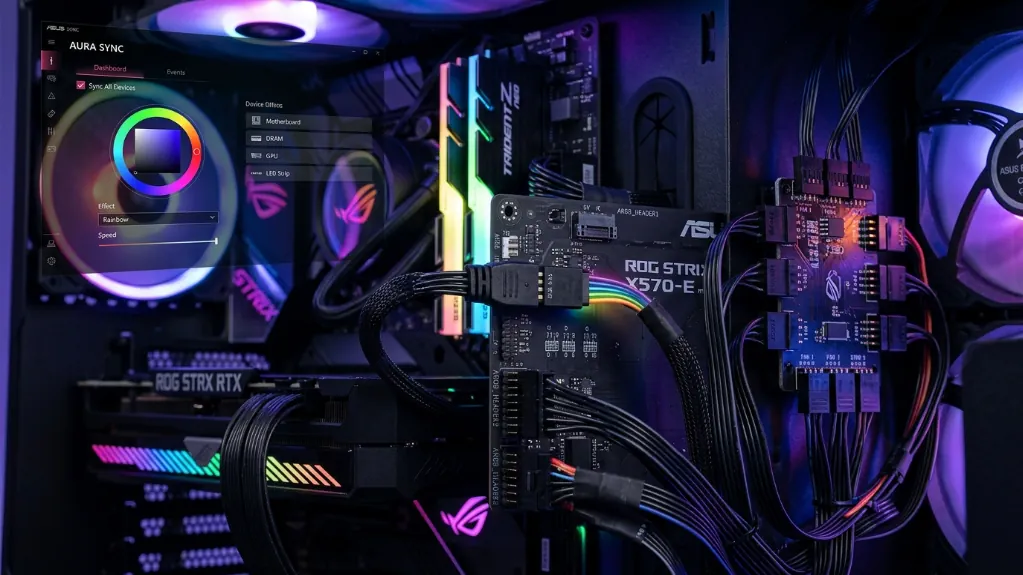
good news rgb got way simpler than it used to be, most modern motherboards come with both 5v argb and 12v rgb headers built right in. those phanteks fans we talked about? they use standard 5v argb connections, so you literally just plug them in and they work.
software wise, asus has aura sync, msi runs mystic light, gigabyte’s got rgb fusion, and asrock uses polychrome. they all basically do the same thing you install whatever came with your motherboard, it detects what’s plugged in, you pick some colors or effects, and you’re done, static colors, rainbow waves, breathing effects, music-reactive patterns all that stuff’s completely standard now.
one thing worth emphasizing: stick with standard argb headers, not those proprietary connectors that only work with one specific brand, standard headers mean you can mix components from different manufacturers and everything still talks to each other properly, also means future upgrades won’t force you into replacing your entire lighting setup just because you switched gpu brands or something.
What actually matters
look, building an rgb gaming pc right now means accepting some stuff you genuinely can’t control ram’s stupidly expensive, gpu pricing’s still inflated and getting smart about the parts you can, that phanteks xt pro ultra solves your entire rgb fan situation for eighty bucks, b650 motherboards give you everything you actually need without forcing premium pricing down your throat.
the ram situation hurts, no way around it. but those motherboard bundles we talked about pop up regularly on newegg, and they’ll save you a legit 50-150 dollars versus buying everything separately, set up price alerts on pcpartpicker or camelcamelcamel and catch the deals when they drop. pricing bounces around on a daily basis.
that 9800x3d at 479 dollars? that’s basically endgame cpu performance you won’t need to replace for years, on the gpu side, choosing between the rx 9060 xt 16gb at 419 versus the rtx 5060 ti 16gb at 450-480 mostly comes down to whether you actually value dlss or not, both work fine.
one hard rule I’ll stand by: skip those 8gb gpus unless you’re absolutely locked into 1080p gaming forever, spending that extra fifty to seventy bucks for 16gb pays off way harder than it seems like it should on paper.
here’s the bottom line rgb doesn’t cost premium money anymore, everything in this guide delivers synchronized lighting, solid gaming performance, and upgrade paths that actually make sense going forward, you’ll just pay more for the ram than you want to, plan for it, watch for those bundle deals, and build when the pricing lines up right.