Microsoft is quietly working on a new Windows 11 feature called Low Latency Profile, and if the early numbers hold up, it’s a meaningful upgrade for anyone who’s ever stared at a sluggish Start menu or watched an app take forever to open. This windows 11 low latency mode feature, officially called Low Latency Profile, automatically boosts CPU frequency for snappier response times.
How It Works
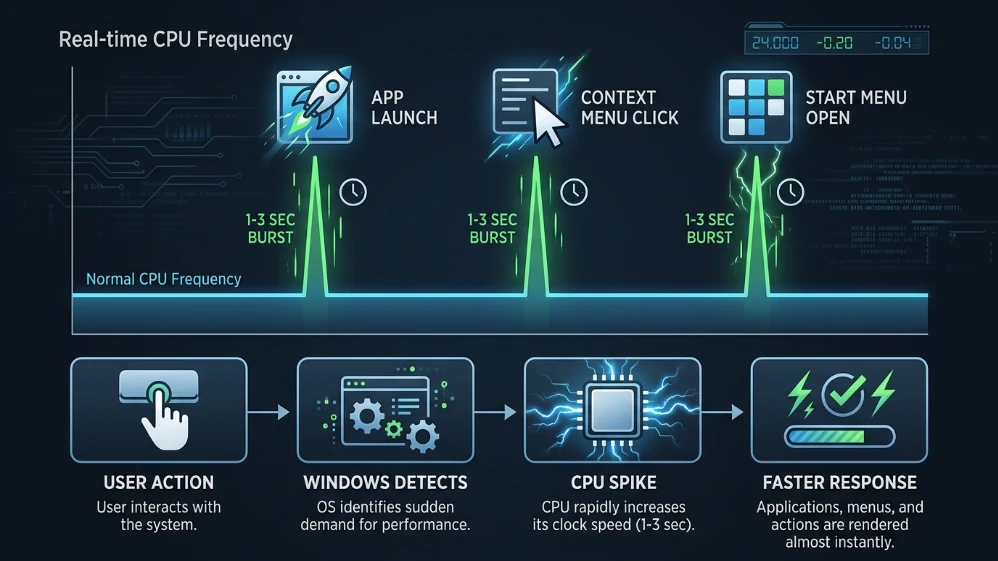
The feature works by automatically spiking your CPU frequency in short bursts of one to three seconds whenever the system detects it needs to respond faster, app launches, context menus, interface interactions. Think of it as micro-overclocking on demand, handled entirely by Windows in the background.
The Numbers
The reported performance gains are significant: up to 40% faster app launch times for Microsoft apps like Outlook and Edge, and up to 70% faster load times for interface elements like the Start menu and context menus. Third-party apps are also expected to benefit, though gains will vary.
The Catch
Microsoft is essentially compensating for inefficient code by pushing your hardware harder rather than optimizing the software itself, For desktop users, the real-world impact on power consumption and CPU temperatures should be minimal given how short the bursts are. Laptop and handheld users may see a slight battery life hit, even if Microsoft claims it’s negligible, users with manually overclocked CPUs should also pay attention, stacking Microsoft’s automatic frequency spikes on top of an existing overclock could create stability issues.
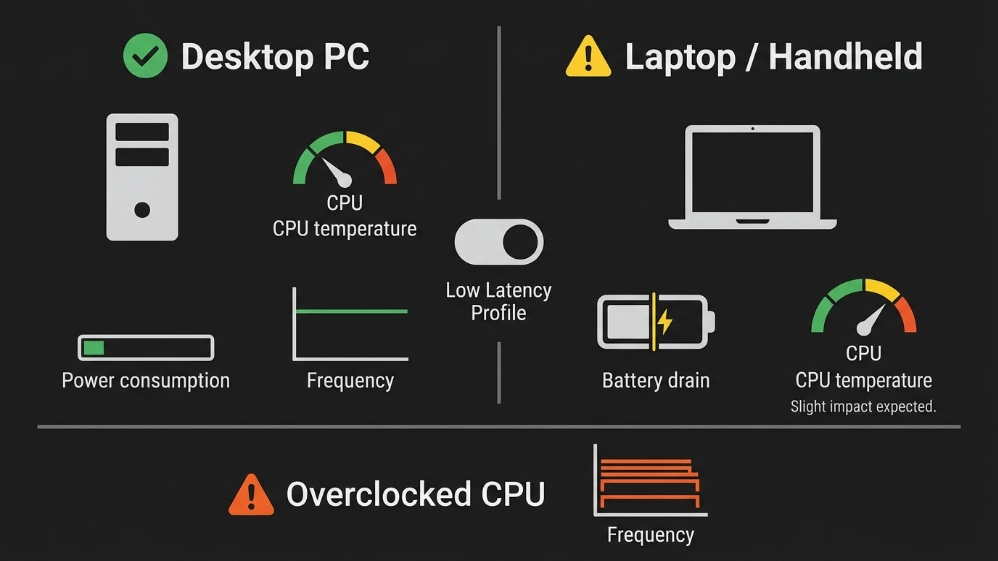
It’s also currently unclear whether users will be able to toggle the feature on or off, right now in testing it runs silently in the background with no user control.
Bigger Picture
Low Latency Profile is part of Microsoft’s broader Windows K2 initiative, an internal effort specifically targeting the most criticized aspects of Windows 11 today, the feature is still in early testing with no confirmed release date.
Worth watching, but not something to count on just yet.