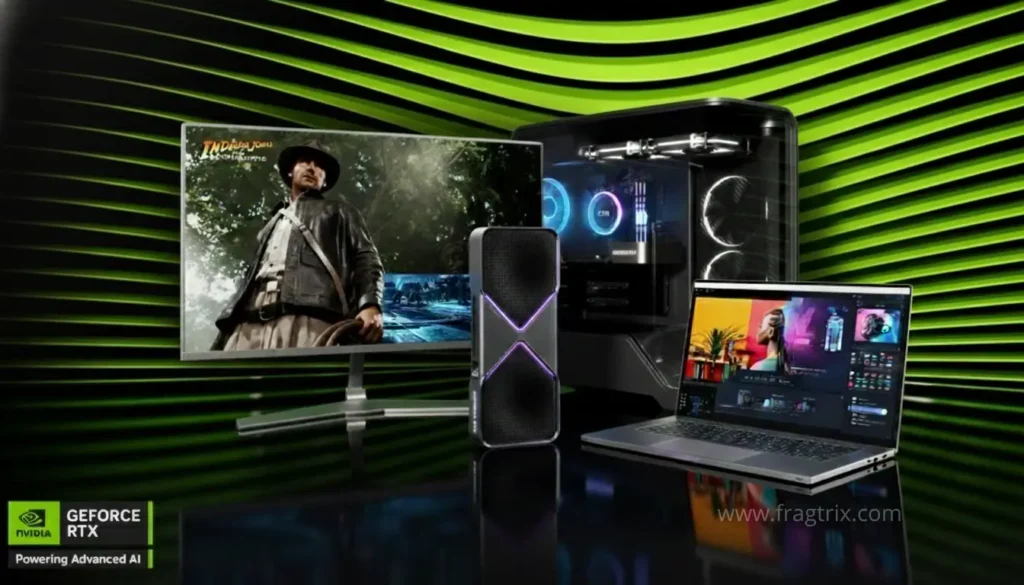
Nvidia showcased its latest technologies at the GeForce On Community Update conference at CES 2026. The company revealed DLSS 4.5, G-Sync Pulsar displays, RTX Remix Logic system, and new ACE platform technologies.
What Nvidia announced
Nvidia DLSS 4.5 brings a massive update. It includes the second generation transformer-based Super Resolution model. It also features 6X dynamic multi-frame generation mode. DLSS 4 technology now works in more than 250 games and applications. It will soon come to 007 First Light, Phantom Blade Zero, and PRAGMATA. These games will support ray tracing for better graphics effects. The RTX Remix update introduces a new logic system. This allows creators to make dynamic visual effects. G-Sync displays with Pulsar technology became available on January 7. They offer smoother and clearer gaming with 1,000 Hz refresh rates. The Nvidia app now includes DLSS 4.5 Super Resolution and new Game Ready drivers. The RTX platform speeds up generative AI applications at 4K resolution on personal computers. This comes with LTX-2 and ComfyUI updates.
DLSS 4.5 delivers major performance boost
Nvidia launched DLSS 4 technology in 2025. It set a new standard for AI rendering. The technology uses transformer-based Super Resolution with 4X multi-frame generation. More than 250 games and applications now support it. This makes DLSS 4 the fastest adopted Nvidia gaming technology ever. DLSS 4.5 takes performance even higher. It introduces dynamic multi-frame generation with 6X mode. The technology can produce up to five frames for each rendered frame. This boosts performance significantly. Players can now experience over 240 frames per second with ray tracing when using GeForce RTX 50 cards. This is the smoothest gaming experience available today. The new transformer model for DLSS Super Resolution comes with version 4.5. It delivers the best possible visual quality for more than 400 supported games and applications on GeForce RTX cards.
Over 250 games now support DLSS 4
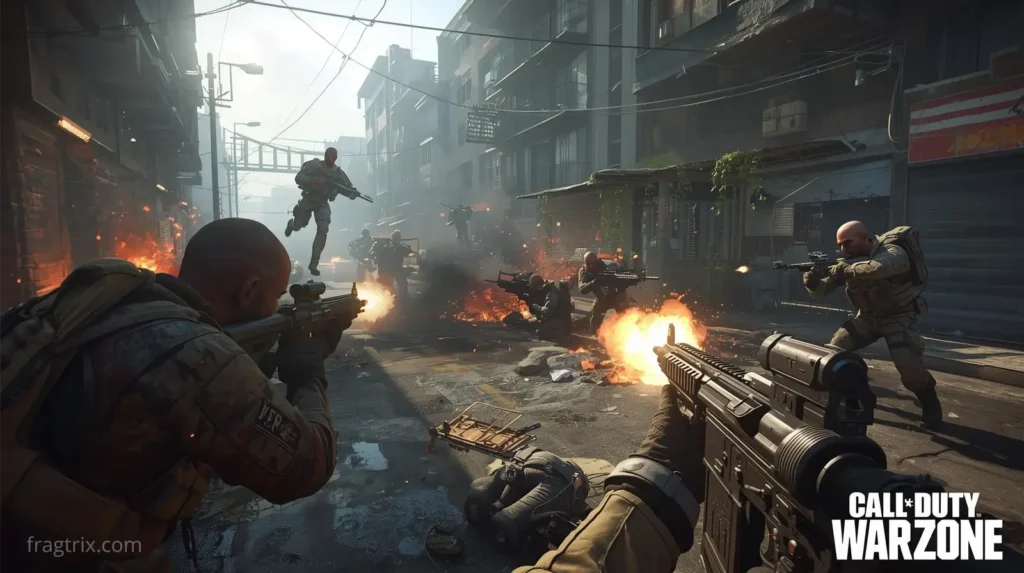
DLSS 4 launched with GeForce RTX 50 cards in January 2025. It supported 75 games and applications at launch. The number grew rapidly over the year. Today it exceeds 250 titles. The most played games of 2025 now support it. These include Arc Raiders, Battlefield 6, Clair Obscur: Expedition 33, and Where Winds Meet. Nvidia announced support for many upcoming PC games at CES 2026. Here are the key titles: 007 First Light will use DLSS 4 technology and multi-frame generation. PRAGMATA will get ray tracing support and DLSS 4 technology. Resident Evil Requiem launches on February 27. The new trailer shows ray tracing and DLSS 4 support. Phantom Blade Zero arrives on September 9 with ray tracing and DLSS 4 technology. It includes RTX-enhanced visuals and a developer video showing Nvidia technologies. Active Matter coming this year gets DLSS 4 with multi-frame generation and ray tracing. Screamer will support DLSS 4 and multi-frame generation. DEFECT will support DLSS 4 and multi-frame generation. Total War: PHARAOH demonstrates how Nvidia ACE technology helps players understand complex game systems. PUBG: Battlegrounds gets an Ally update in the first half of 2026. It adds long-term memory to improve AI companion intelligence. The feature runs on Nvidia ACE technology.
RTX Remix Logic enables dynamic visual effects
Nvidia created the RTX Remix platform for modding games on RTX AI devices. The goal is to reimagine classic games using ray tracing. This brings old titles back to life with modern graphics. New players can also discover these games for the first time. The RTX Remix Logic update will arrive later this month through the Nvidia app. Remix Logic is an advanced system. It lets RTX Remix mods interact visually with every moment in a game. Modders get more than 900 customizable settings. They can trigger visual effects based on many different in-game events. Creating interactive graphics modifications usually required access to source code or the game engine. RTX Remix removes this limitation. Modders can now change graphics in more than 165 classic games without touching any source code.
G-Sync Pulsar displays now available
G-Sync displays with Pulsar technology and ambient adaptation launched on January 7. They deliver smoother and clearer gaming with 1,000 Hz refresh rates. Nvidia first launched G-Sync displays in 2013. They revolutionized gaming monitors by introducing variable refresh rate technology. Major display manufacturers around the world later adopted this technology. Gamers no longer had to choose between screen tearing and smooth gameplay. They did not need to deal with V-Sync problems at different frame rates. This created a much smoother gaming experience. The new generation G-Sync displays feature G-Sync Pulsar technology. This is the latest development in variable refresh rate systems. G-Sync Pulsar offers a flicker-free experience with ultra-smooth motion. It delivers the best standard for graphics clarity and visual quality. The technology uses variable frequency backlight strobing. G-Sync Pulsar displays from Acer, AOC, ASUS, and MSI became available on January 7. More displays will arrive in the coming weeks through authorized retailers. All G-Sync Pulsar displays support new ambient adaptation technology. This automatically adjusts color temperature and brightness levels. It provides the best visual experience in different lighting conditions during day or night.
Nvidia app update brings DLSS 4.5 and new drivers
DLSS 4.5 Super Resolution improves image quality in more than 400 games and applications. You should download and install the new GeForce Game Ready driver. You also need the new beta version of the Nvidia app for the best experience. The new Nvidia app update launches on January 13. You can try DLSS 4.5 Super Resolution today by joining the beta program. Go to the settings section, then the About menu. Download and install new Game Ready drivers from the drivers tab or the GeForce website. The Nvidia app beta version 11.0.6 includes several new features. In System > Displays, all remaining Nvidia Surround settings moved from Nvidia Control Panel. This adds options for bezel correction and keyboard shortcuts. Laptop users with Advanced Optimus can now see full application names instead of just .exe file names. This makes it easier to find problematic programs. In System > Advanced, the Debug Mode option stops all overclocking and voltage modifications immediately. This helps support teams determine if these changes cause system problems. There is also a developer option for analysis and debugging tools. Regular users and gamers can leave this setting alone. The new Game Ready driver supports 63 G-Sync compatible displays. This includes new 2026 TVs from Samsung and LG. These TVs offer variable refresh rate technology for smoother gaming. Nvidia Broadcast now brings virtual key light to more PC users. The new update is version 2.1. It improves the key lighting effect for better performance. It works on GeForce RTX 3060 cards and higher. The update now supports more lighting conditions. It gives users more control over color temperature. It uses an updated HDRi map for dual key lighting in live streaming.
RTX platform accelerates 4K video creation
Nvidia revealed updates for GeForce RTX devices at CES this week. The updates also cover Nvidia RTX PRO and DGX Spark devices. These boost the performance and memory developers need to run generative AI technologies on their own devices. The updates include deep improvements to PyTorch-CUDA. They add NVFP4/FP8 support in ComfyUI. This provides three times faster performance. It uses less graphics memory when creating images and videos. RTX Video Super Resolution technology is now part of ComfyUI. This speeds up 4K content creation with better graphics quality. Nvidia also improved NVFP8 with the launch of the LTX-2 model from Lightricks. This model generates audio and images with better efficiency. The new video generation model lets content creators produce 4K videos from 3D clips on Blender. They can control every frame of the final video. Developers building small language models will see up to 35% faster inference speed. This works through Ollama and llama.cpp. RTX acceleration enables video search and quick access through the nexa.ai platform. These developments make local RTX AI devices more powerful. Creators and developers can run advanced AI workflows smoothly. This works for video, images, and language tasks. They get the security, privacy, and ultra-low latency that only local devices provide